Creative and Sustainable Interpretation
sustainable print | interpretation boards | interpretation design | visitor centres | creative expertise | eco signage
sustainable print | interpretation boards | interpretation design | visitor centres | creative expertise | eco signage
-
Approach
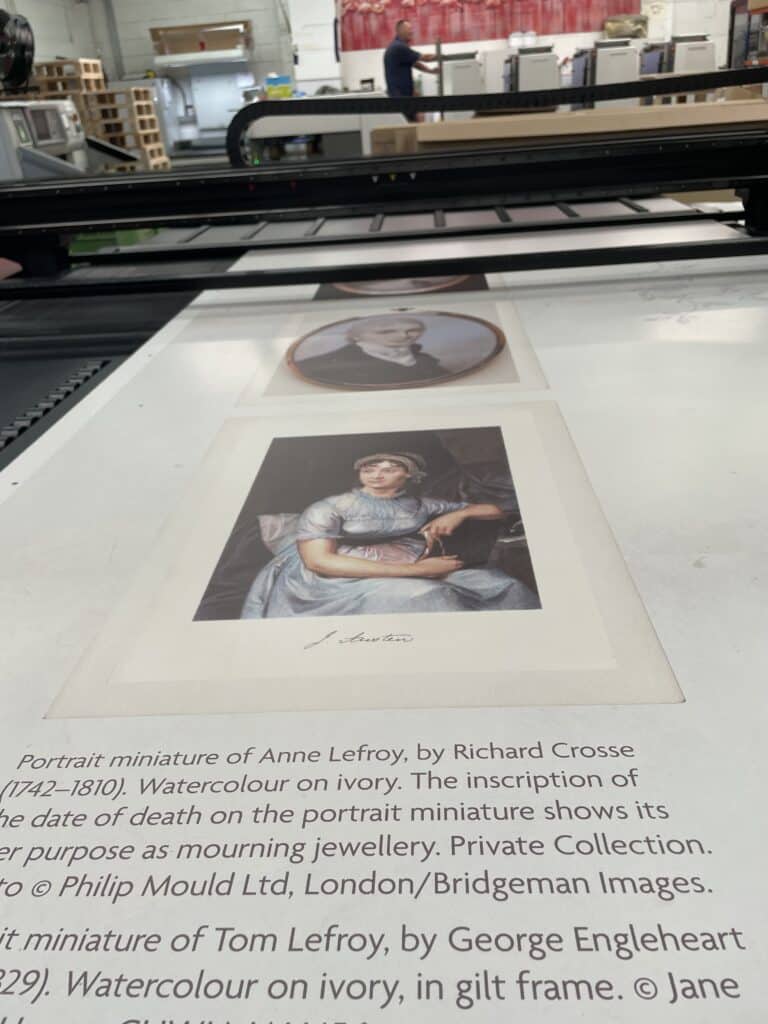
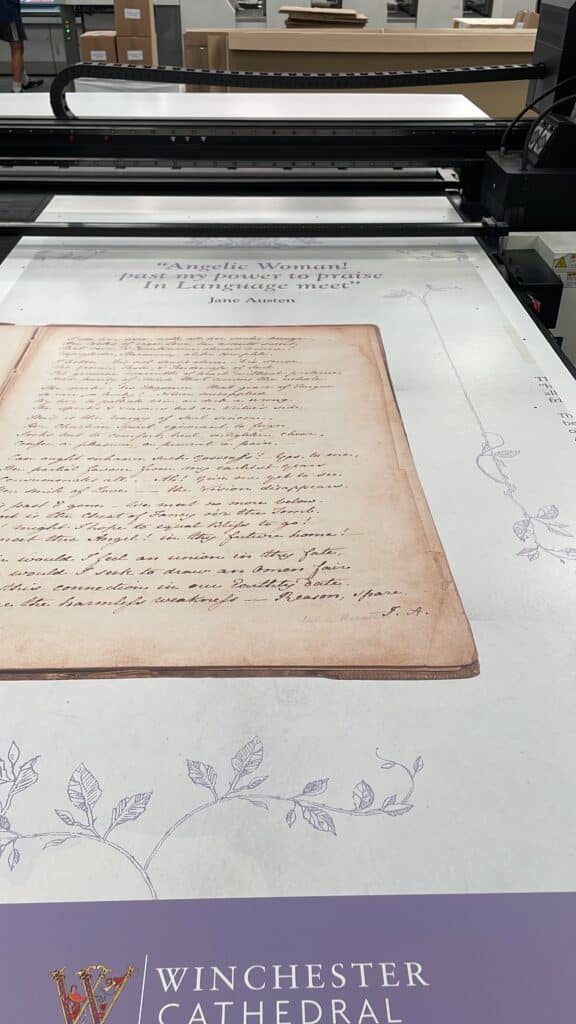
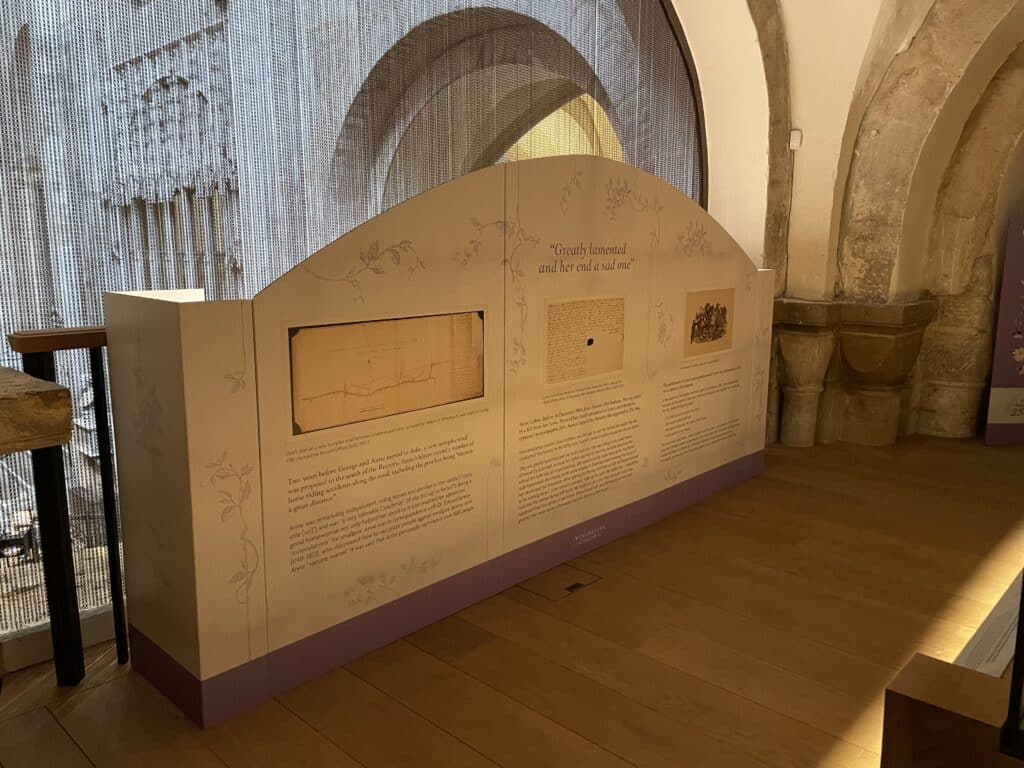
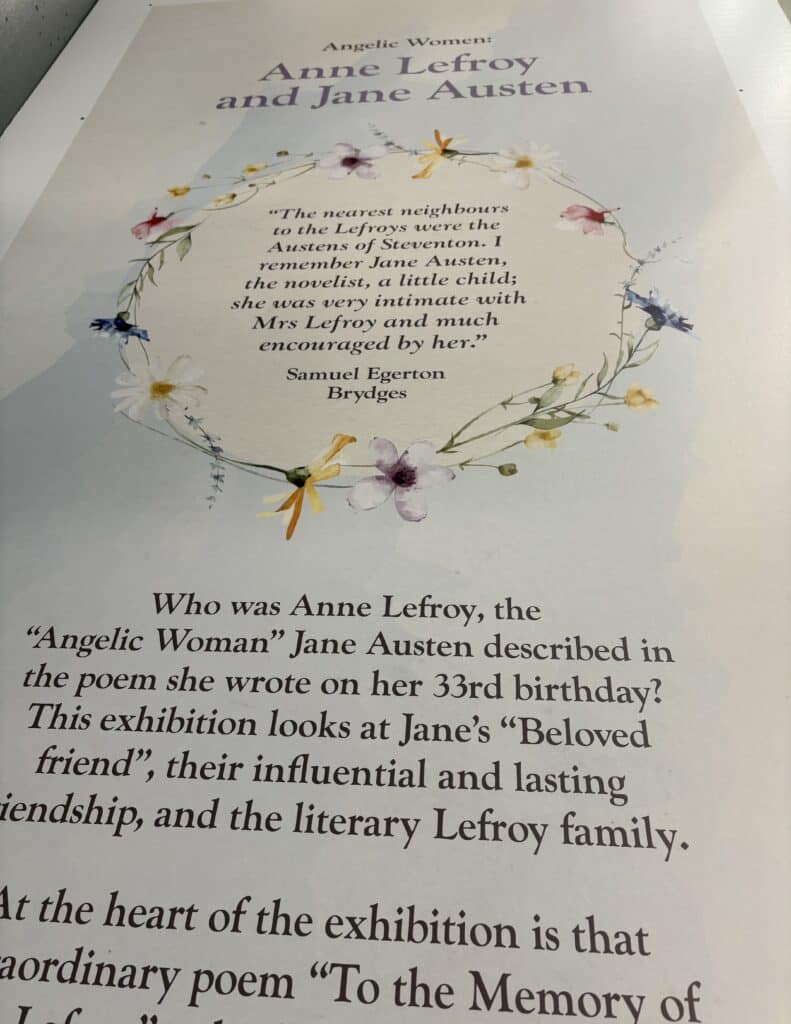
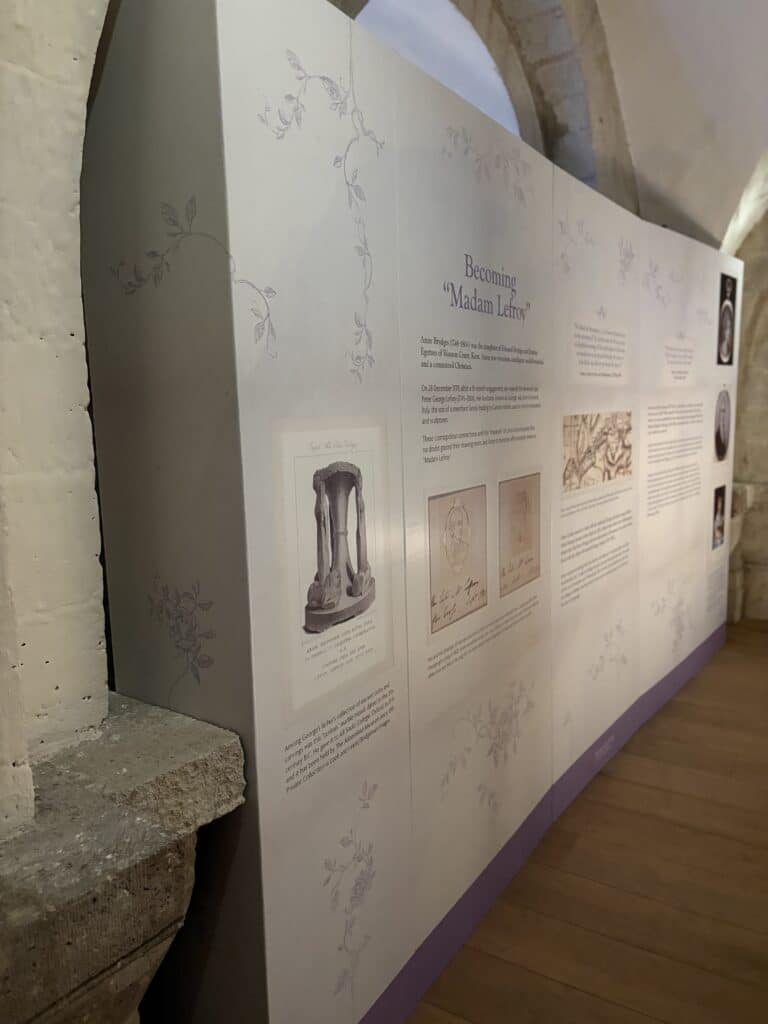
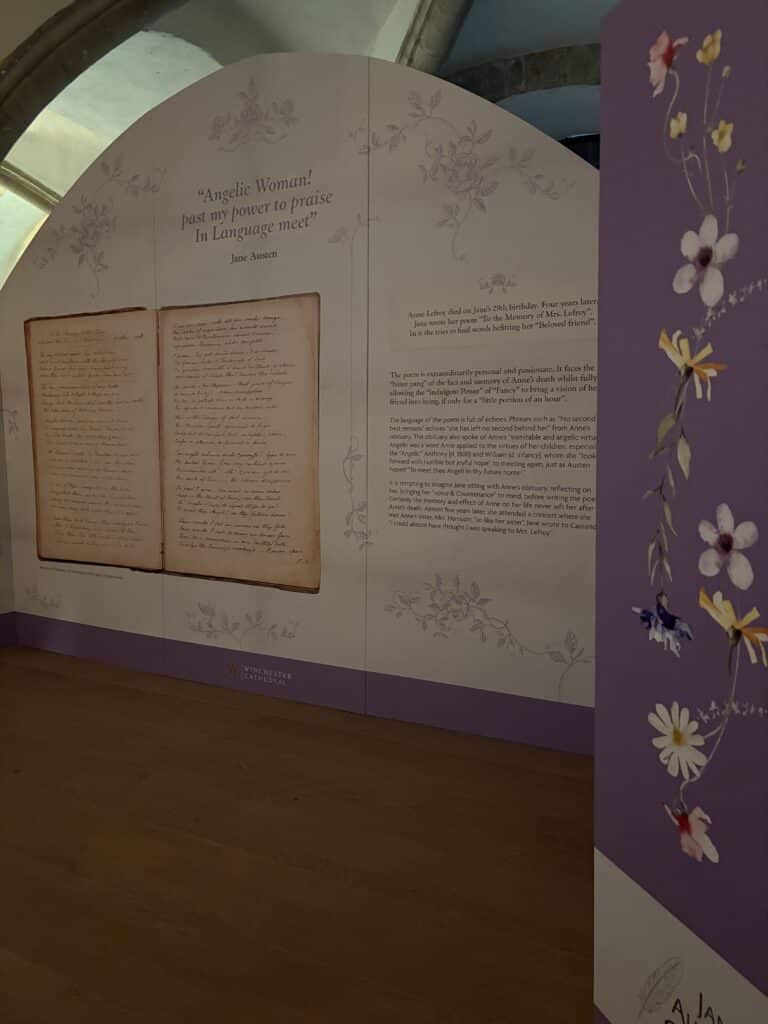
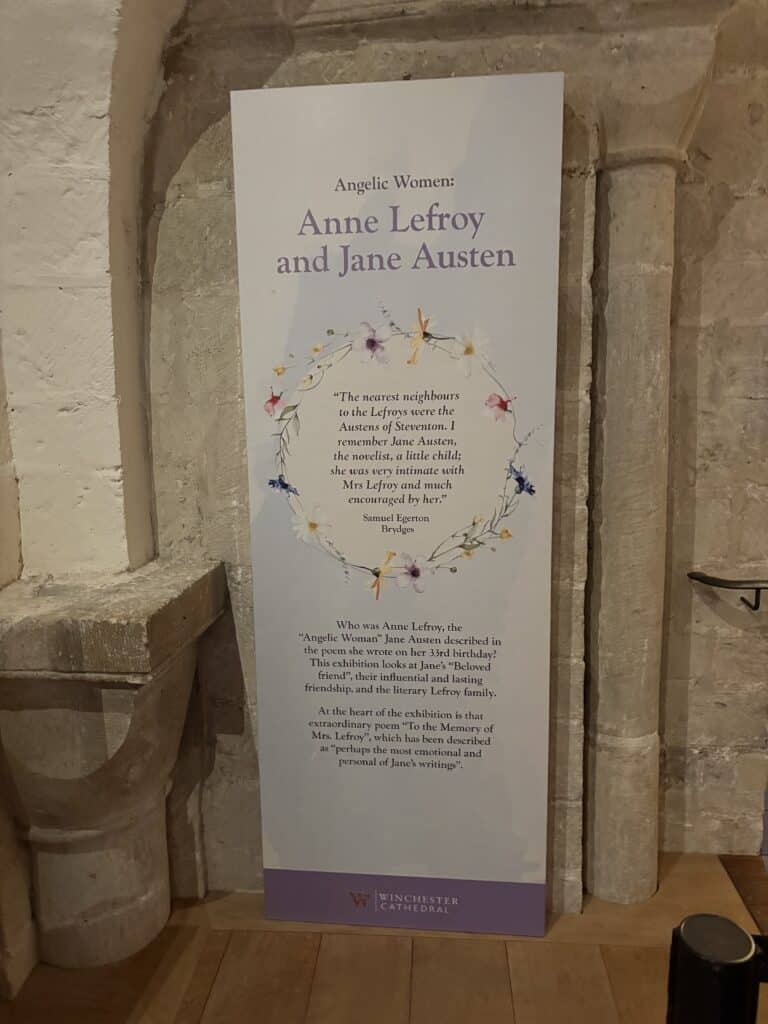
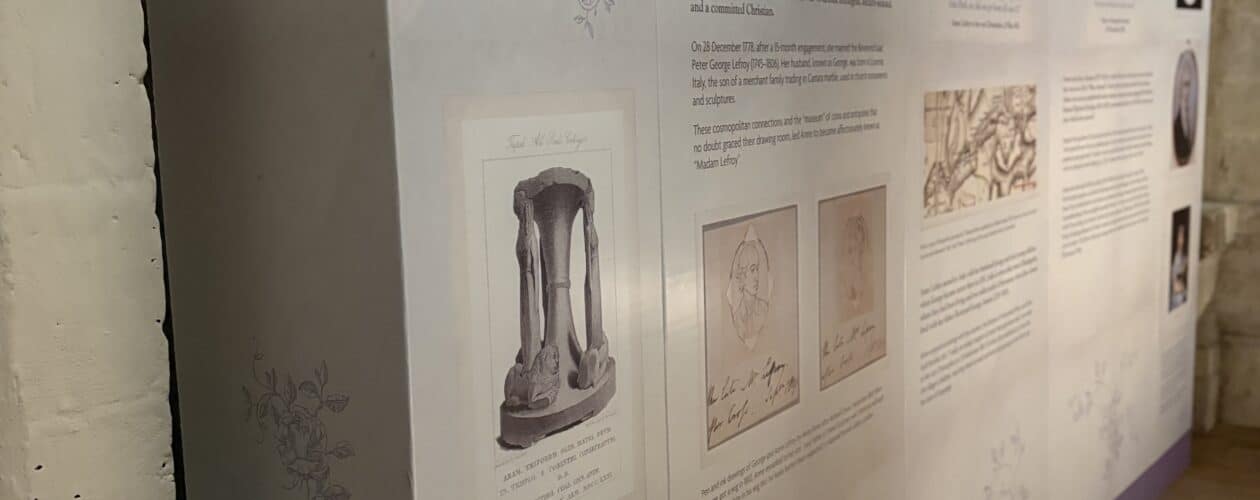
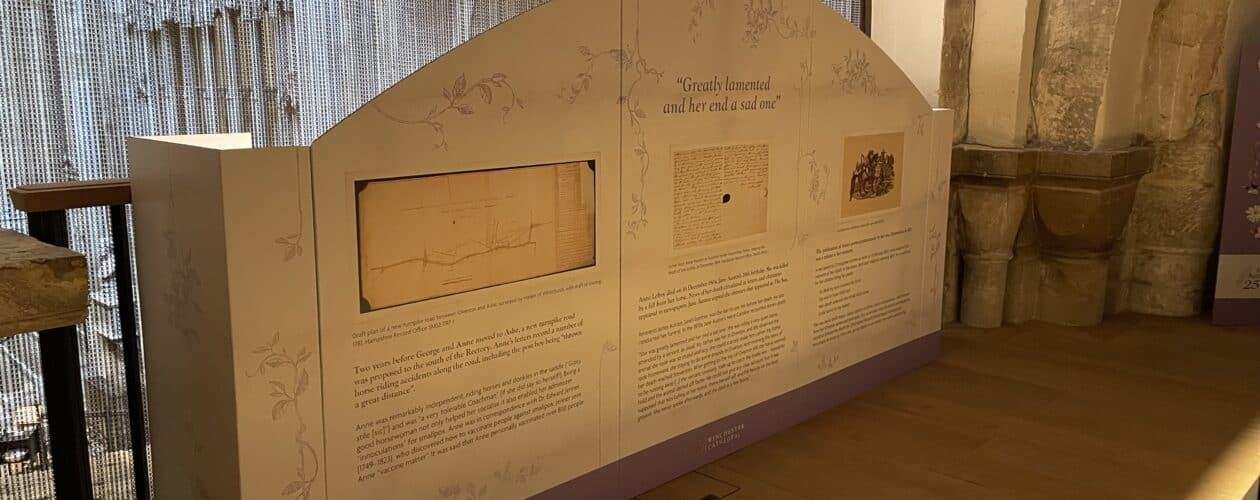
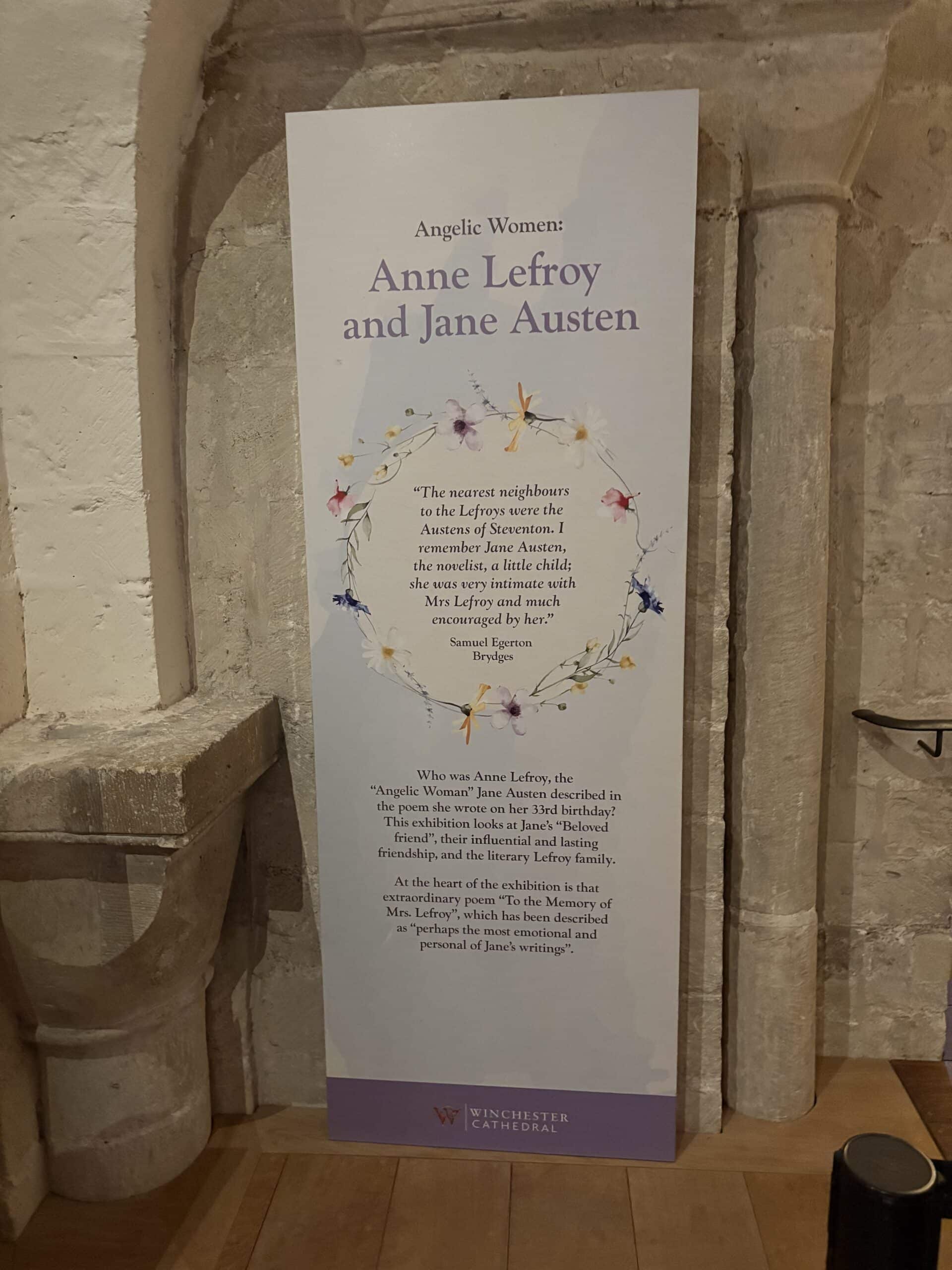
The creative direction focused on evoking the tone of personal correspondence and early manuscript culture. A soft, restrained visual language was developed, drawing on handwritten textures, muted colour palettes, and elegant typography to reflect the period and emotional depth of the story.Interpretation panels, object labels, and supporting printed materials were carefully designed to guide visitors through the narrative, while allowing space for reflection and discovery.
Sustainability was considered at every stage, from concept through to installation, with an emphasis on reducing waste and maximising reuse.

Sustainable Design & Materials
-
FSC and recycled papers used across all printed interpretation
-
Low-impact printing processes, reducing energy consumption and emissions
-
Reusable display structures designed for disassembly and future exhibitions
-
Uncoated paper stocks selected to improve recyclability and reduce chemical treatments
-
Minimal use of adhesives and vinyls, favouring mechanical fixing methods
-
Locally sourced production to reduce transport-related environmental impact
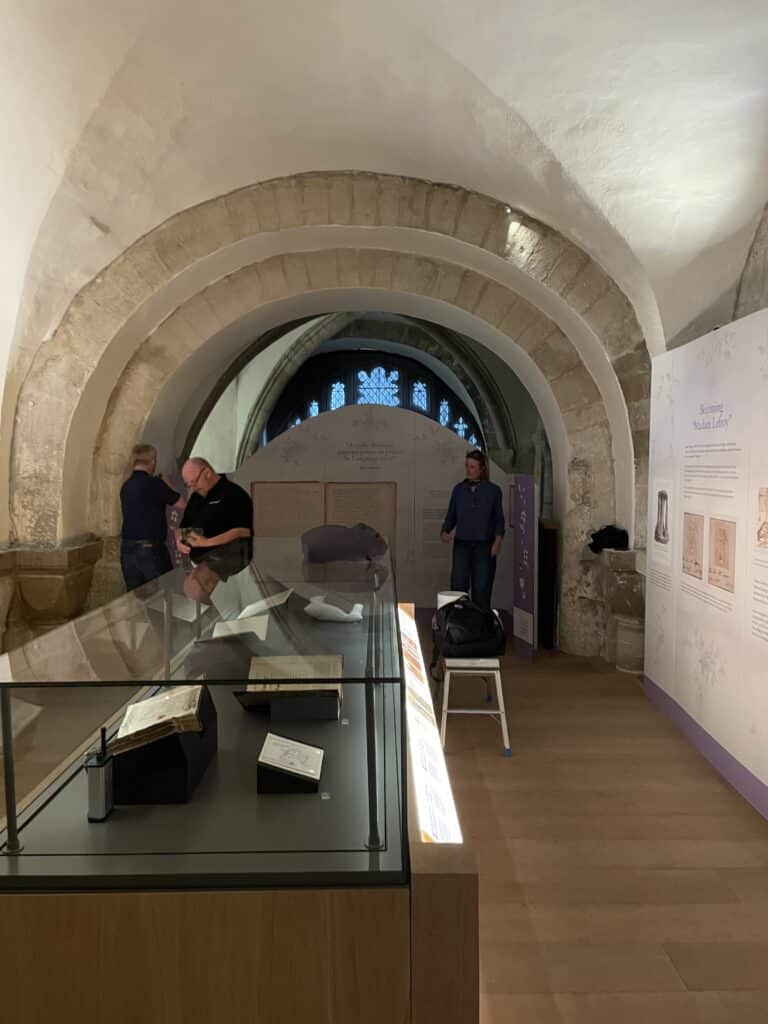
Printed elements were deliberately lightweight and modular, allowing for easy updates or repurposing. Where possible, existing display infrastructure within the Cathedral was reused, significantly reducing material demand.
Outcome
The exhibition delivered a thoughtful and immersive visitor experience, with interpretation that enhanced understanding without overwhelming the historic environment. The subtle design approach supported the emotional resonance of the story while maintaining clarity and accessibility.Conclusion
This project highlights how sustainable design principles can be successfully applied to sensitive, narrative-driven exhibitions. By combining careful material selection with a refined interpretive approach, the Jane Austen and Anne Lefroy exhibition achieved both environmental responsibility and meaningful visitor engagement -
Gallery